US Deploys Warships Off Venezuela Coast in Escalated Anti-Drug Push Under Trump
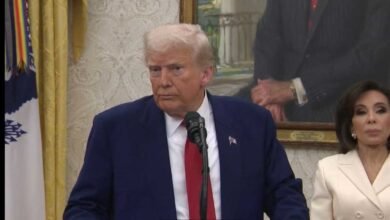
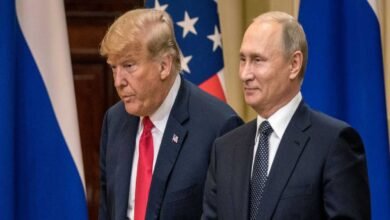
In a significant show of military force, the United States is deploying three guided-missile destroyers to the waters near Venezuela as part of an intensified effort by President Donald Trump to combat Latin American drug cartels, escalating tensions with the government of Nicolás Maduro.

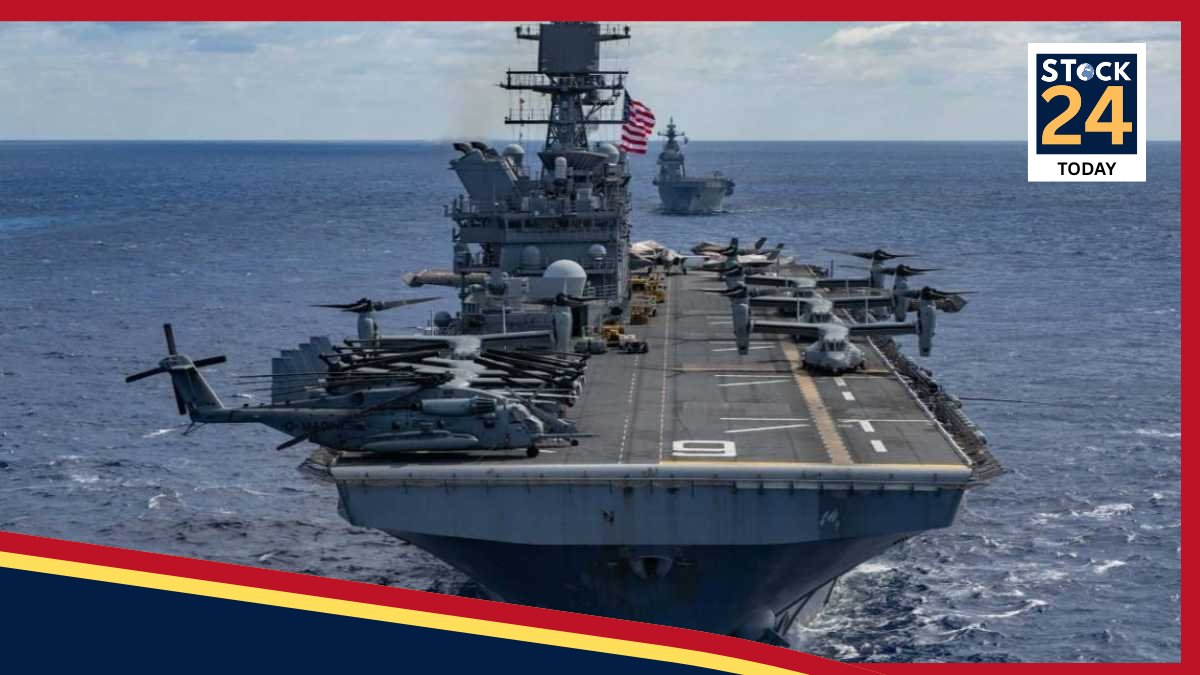
The United States is dispatching a trio of powerful naval warships—the USS Gravely, USS Jason Dunham, and USS Sampson—to the Caribbean as part of a newly expanded counter-narcotics operation. According to a U.S. official briefed on the plan, the deployment is a direct component of President Donald Trump’s aggressive strategy to disrupt the flow of illicit drugs, particularly fentanyl, into the United States.
A Defense Department official confirmed the military assignment, stating the vessels would support anti-drug efforts in the region “over the course of several months.” This move marks a tangible escalation in the Trump administration’s campaign against transnational criminal organizations, which it has increasingly framed as a direct threat to U.S. national security.
The deployment comes amid a broader strategy that includes diplomatic pressure on regional partners and the controversial designation of several cartels as foreign terrorist organizations. Venezuela has forcefully condemned the U.S. actions, with President Nicolás Maduro announcing the planned mobilization of millions of militia members in response to what he called renewed threats from a “mad empire.”
Key Takeaways
-
Major Military Deployment: Three U.S. Aegis guided-missile destroyers are being sent to the waters off Venezuela for a multi-month, counter-narcotics mission.
-
Trump’s Anti-Cartel Strategy: The move is a key part of President Trump’s hardline stance against cartels, whom he blames for drug trafficking and violence in the U.S.
-
Controversial Terrorist Designations: The Trump administration has designated Venezuela’s Tren de Aragua and other Latin American cartels as Foreign Terrorist Organizations (FTOs), a label typically reserved for politically motivated groups like al-Qaida.
-
Venezuela’s Defiant Response: Venezuelan officials have rejected the U.S. accusations as baseless, and President Maduro has ordered the deployment of over 4.5 million militia members to defend the nation’s sovereignty.
A Multifaceted Campaign Against “Narco-Traffickers”
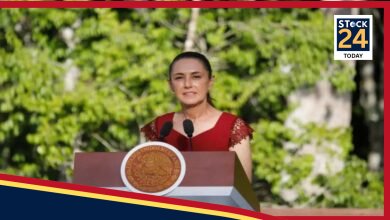
The naval deployment is the latest and most visible element of a multifaceted campaign. President Trump has consistently pushed for a more militarized approach to thwarting cartels. This has included pressuring Mexican President Claudia Sheinbaum for more aggressive action against cartels operating within her country, a request she has met with firm assertions of Mexican sovereignty.
The Trump administration argues that the operational scale and violent tactics of these criminal groups warrant a stronger response. In February, it designated Venezuela’s Tren de Aragua gang, MS-13 in El Salvador, and six Mexican-based groups as Foreign Terrorist Organizations. Critics argue this stretches the definition of terrorism, as these groups are primarily profit-driven criminal enterprises, not politically motivated insurgents. However, the administration contends their transnational activities—including drug and migrant smuggling and violent territorial expansion—justify the label.
This strategy is sharply focused on Venezuela’s leadership. Earlier this month, the U.S. government doubled a reward to $50 million for information leading to the arrest of President Nicolás Maduro. The U.S. accuses him of being a key player in global narco-trafficking and conspiring with cartels to “flood the U.S. with fentanyl-laced cocaine.”
Venezuela Responds with Accusations and Mobilization
Venezuela has met the U.S. pressure with staunch defiance. While not directly referencing the destroyers, Foreign Minister Yvan Gil issued a statement on Tuesday dismissing the drug trafficking accusations as a sign of Washington’s failed regional policies.
“Washington’s accusing Venezuela of drug trafficking reveals its lack of credibility and the failure of its policies in the region,” Gil stated. “Every aggressive statement confirms the inability of imperialism to subdue a free and sovereign people.”
President Maduro took a more militant tone on Monday, announcing the planned deployment of over 4.5 million members of the country’s civilian militia. These units, created by his predecessor Hugo Chávez, are intended to assist the armed forces against perceived external threats.
“The empire has gone mad and has renewed its threats to Venezuela’s peace and tranquility,” Maduro declared at an event in Caracas.
A History of Accusations
The current tensions are built on a long history of U.S. accusations against the Venezuelan leader. In 2020, during Trump’s first presidency, Maduro was indicted by a New York federal court on charges of narco-terrorism and conspiracy to import cocaine. At that time, the U.S. offered a $15 million reward for his arrest. The recent increase of that reward to $50 million, coupled with the deployment of advanced warships, signals a significant intensification of Washington’s campaign against him.